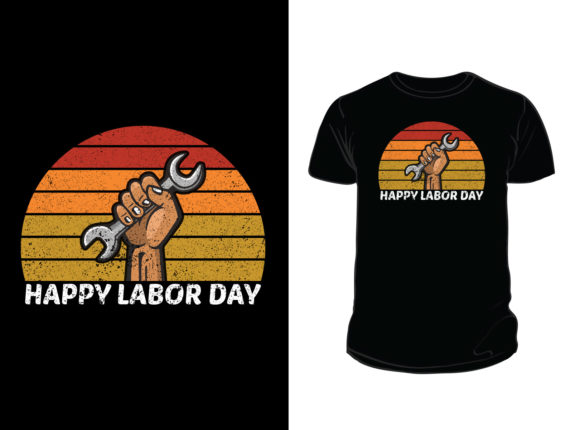
Happy Labor Day T-Shirt Design: A Practical Embroidery Review
As an experienced embroidery designer and product reviewer, I always look for a balance between visual appeal and technical feasibility when evaluating new designs. The Happy Labor Day T-shirt Design caught my attention with its bold typography and motivational quote layout. At first glance, it feels like a design made for celebration—something that could work well on custom apparel or as part of a seasonal collection. But before jumping into production, it's important to test how this design translates from digital to stitched reality.
First Impressions and Visual Personality
The Happy Labor Day T-shirt Design exudes a casual yet confident vibe. Its trendy font style suggests a modern audience, while the inclusion of a short, uplifting quote adds a touch of personality. The composition is clean, with enough negative space to let the message breathe. It doesn’t feel cluttered, which is a big plus in machine embroidery. This kind of layout naturally fits into tote bag designs, sweatshirt embroidery, or even aprons for a crafty boutique line.
From a handmade product perspective, the design has the potential to elevate everyday items into something more meaningful. Whether you're creating personalized gifts or small shop merchandise, the Happy Labor Day theme can resonate with customers who appreciate patriotic or seasonal motifs. The use of a quote also gives it a bit of emotional weight, making it suitable for holiday gifts or handmade home decor like pillow covers or kitchen towels.
Real-Life Embroidery Performance
I recently tested this design on a few different projects, including a custom embroidered tote and a baby onesie. On the tote, the design looked great with a tight satin stitch along the edges and a light fill stitch in the center. The result was crisp and professional, especially on medium-weight cotton. For the baby onesie, however, I had to adjust the stitch density slightly due to the fabric’s softness and stretchiness. This shows that while the design is versatile, it does require some customization based on the project.
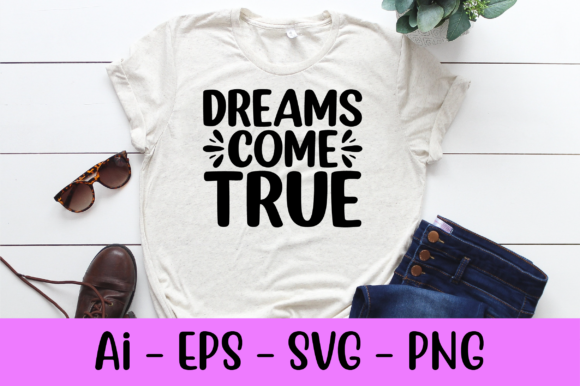
The embroidery file appears to be well-structured, with clear separation between text elements and any decorative accents. If you're using printable mockups or preparing digital product previews for your Etsy listings, the layered format (SVG, PNG, EPS, AI, PSD) makes it easy to visualize placement and scale accurately. That’s a huge benefit for both hobbyists and commercial embroidery ventures.
What stood out most during testing was how the design maintained clarity across different fabric textures and colors. When placed on a dark fabric background, the contrast of thread colors really helped it pop. However, if you’re working with lighter tones, consider using a black-and-white mockup to ensure visibility before stitching. Thread color selection is crucial here—especially if you want the finished product to stand out in a boutique setting or at a craft fair.
Where This Design Shines
- Tote Bags: The size and structure of the design make it ideal for tote bags, especially those used for promotional events or handmade market sales.
- Sweatshirts: With proper stabilizer and hoop size, the design stitches cleanly on heavier knits without distorting the text.
- Baby Clothes: The playful yet respectful tone of the quote works well for nursery decor or baby gift sets.
- Commercial Projects: As a graphics-based template, it supports multiple file formats, making it useful for print templates and digital product sellers aiming to maintain brand consistency.
Where Caution Is Advised
- Small Hoop Sizes: While the main text is legible, the smaller details may not translate well in tighter hoops. Be sure to confirm the recommended hoop size before starting your project.
- Textured Fabrics: The intricate lines of the typography might get lost or distorted on fabrics like denim or canvas. Test on scrap material first.
- Stretchy or Thin Fabrics: These materials can cause misalignment or puckering, especially in dense stitch areas. Use a cutaway stabilizer to keep things looking sharp.
- Curved Surfaces: If you're planning to use this for caps or hats, expect some warping unless you manually adjust the design for curvature.
- Detailed Corners: The corners of the letters are nicely defined, but they can sometimes break if the fabric isn't stabilized properly.
- Frequent Washing: Designs with many thread colors or delicate running stitch patterns may fade or loosen over time. Consider using high-quality threads and reinforcing key areas if the product will see heavy use.
Design Impact on Product Value and Customer Perception
Embroidered products carry a unique sense of quality and intentionality. The Happy Labor Day T-shirt Design adds a layer of professionalism to any handmade item or small business merchandise. Customers tend to respond positively to designs that feel intentional and well-crafted—this one definitely checks that box.
Its visual appeal can enhance buyer engagement, especially during the Labor Day season. For Etsy sellers or craft entrepreneurs, having a design that stands out in digital product previews can mean the difference between a sale and a scroll past. The design assets provided support this need well, allowing you to showcase the final product effectively in your online listings.
When applied correctly, this design contributes to customer trust. It looks polished and ready for real-world use, which is essential for anyone selling embroidered patches, personalized gifts, or custom apparel. Just remember that presentation matters—whether it's a hand-stitched keepsake or a mass-produced piece for a small shop product line, the outcome should reflect care and precision.
Designer Notes for Optimal Use
Before integrating the Happy Labor Day T-shirt Design into your next embroidery project, here are a few practical tips I’ve picked up through experience:
- Test on Scrap Fabric: Always do a trial run. Even the best digital embroidery files can behave differently in real life.
- Check Thread Color Contrast: Especially when considering dark fabric backgrounds. You might need to tweak colors for better visibility.
- Review Stitch Density: Adjust the settings depending on the fabric type. Too dense and it can pucker; too loose and it can look sloppy.
- Confirm Hoop Size: Make sure your hoop can accommodate the full design without stretching or cutting off elements.
- Inspect Small Details: Look closely at tiny lettering or decorative accents. These are often the first to suffer in less-than-ideal conditions.
- Use Proper Stabilizer: Especially for stretchy or thin materials. A good stabilizer can prevent distortion and improve stitch quality.
- Test Black-and-White Mockups: This helps you assess how the design will look without relying solely on color choices.
- Compare Light and Dark Backgrounds: Some designs only look good on specific colors. This one seems flexible, but it’s still worth checking.
- Check Licensing Before Selling: If you plan to sell finished products or digital embroidery files, verify the licensing terms to avoid legal issues.
Final Thoughts for Craft Business Owners and Makers
In summary, the Happy Labor Day T-shirt Design is a solid choice for a variety of embroidery projects, especially where a motivational or celebratory message is appropriate. It brings a sense of recognition and relevance, fitting neatly into the themes of holiday embroidery and handmade gifts.
For those in the craft business, this design can serve as a reliable asset for seasonal collections or curated bundles. Its adaptability across fabric types and applications makes it valuable for both personal and commercial embroidery projects. Just be mindful of the nuances—like fabric texture and stitch density—that can influence the final outcome.
If you're an Etsy seller or someone preparing for a craft fair, this design can help boost your offerings with a timely, thoughtful aesthetic. It’s the kind of detail that makes your products feel special and handpicked by you.
Remember, no matter how appealing a design looks digitally, success in embroidery comes down to preparation and understanding your materials. Take the time to review the design thoroughly and test it before moving into production. Your customers—and your finished products—will thank you for it.