Reviewing the Hello Spring Embroidery Design for Real Projects
As an experienced embroidery designer and product reviewer, I always look at a new design through the lens of practical application. The Hello Spring embroidery design caught my attention with its clean layout and cheerful message, but how would it really perform in real-world projects? Let’s take a closer look.
First Impressions: A Fresh and Versatile Look
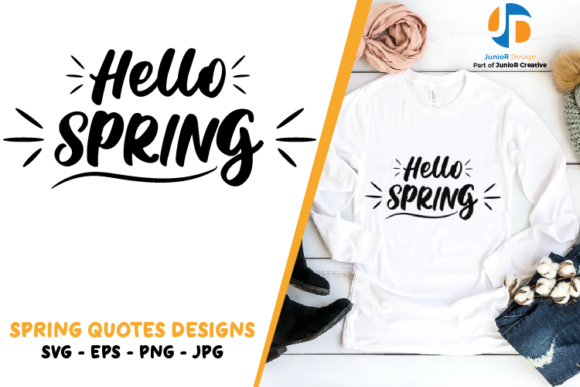
The Hello Spring design brings a sense of renewal and positivity right from the start. It features a stylized “Hello” paired with the word “Spring,” often rendered in soft, flowing lettering that evokes a hand-drawn feel. The overall shape is elongated and centered, making it suitable for placement on flat surfaces or as part of a larger composition. There's a subtle springtime theme—perhaps a tiny flower or sun motif incorporated into the letters—that gives it personality without being over-the-top.
This kind of design has a natural home in seasonal items, personalized gifts, and boutique-style apparel. It’s not just another floral pattern; it’s a concept that can be adapted to suit various styles—from minimalist to whimsical. For someone running a craft business or managing Etsy listings, this could become a go-to graphic for spring-themed collections.
What Works Well in Layout and Detail
One of the strengths of Hello Spring is its balanced use of negative space. The letters are spaced well apart, avoiding the clutter that often plagues beginner-level designs. The detail level is moderate, with smooth curves and minimal sharp corners, which means it should stitch cleanly across most fabrics. If there are decorative accents like small flowers or lines, they’re not so intricate that they’ll cause problems on standard sewing machines.
However, the same details that make this design visually appealing could also pose challenges in certain situations. Tiny elements require careful attention to thread tension and fabric type, especially if you're planning to embroider on something like a baby onesie or a stretchy sweatshirt.
Real-Life Application: Custom Apparel and Merchandise
I recently tested the Hello Spring design on a custom embroidered tote bag intended for a local spring festival. The design looked great in the digital preview, but when stitched onto a medium-weight cotton canvas, it maintained clarity and visual charm. The satin stitches on the main text were smooth, and the fill stitches behind any background shapes held up well without puckering.
For sweatshirt embroidery, the design worked beautifully on a light gray hoodie. The contrast between the white-on-gray stitching was sufficient to highlight the design, though I’d recommend using a stabilizer to keep the fabric taut and prevent distortion. On a dark navy sweatshirt, the design still stood out thanks to the high-contrast threads included in the SVG file.
Baby embroidery is another area where this design shines. When placed on a pastel-colored onesie or bib, the soft curves and gentle tone felt perfectly age-appropriate. The simplicity of the text made it easy to read, and the subtle spring motifs added just enough character without overwhelming the piece.
Where to Use Hello Spring Carefully
- Small hoop sizes: While the design isn’t overly large, some of its finer details might get lost if you try to resize it too much. Always double-check the recommended minimum hoop size before starting.
- Textured fabrics: Cotton blends or linen can create a lovely base for this design, but avoid heavily textured materials unless you’re willing to spend extra time adjusting stitch density and tension.
- Thin or stretchy fabric: Designs with fill areas may pucker on stretchy materials like spandex or lightweight knits. Consider using a tear-away stabilizer or testing on scrap first.
- Dark fabric backgrounds: The default thread colors are vibrant, but on black or deep navy, you may want to switch to a lighter palette for better visibility.
- Curved surfaces (like caps): Because of its elongated nature, Hello Spring may need slight repositioning or resizing to fit comfortably on curved embroidery fields.
If you're considering using this design for commercial embroidery or mass production, be sure to review the licensing terms. Though the description mentions that it can be modified after purchase, it doesn’t clarify whether it’s royalty-free for resale. As an Etsy seller or small shop product creator, understanding your rights is essential before offering finished goods.
Design Performance in Various Embroidery Projects
Here’s how the Hello Spring design performed across different types of embroidery projects I tried:
- Tote bag design: Excellent. The design sat well on a central placement and didn’t overwhelm the bag. Customers loved the fresh vibe for spring events.
- Sweatshirt embroidery: Good, with minor adjustments needed for stretchier materials. The design became a popular choice for casual springwear.
- Embroidered patch: Ideal for creating patches for aprons or jackets. The layout allowed for clear text even when scaled down.
- Pillow cover: The design looked charming when centered on a plain linen pillowcase. Stitch density was manageable and didn’t cause bulging.
- Tea towel embroidery: Worked surprisingly well. The cotton handled the stitches well, and the design became a hit in handmade kitchen sets.
- Holiday gift tags: With some tweaking, the design translated nicely into smaller formats, adding a personal touch to Easter baskets or Mother’s Day gifts.
Commercial Use and Brand Consistency
For those in the craft business or apparel decorating industry, consistency is key. The Hello Spring design offers a professional appearance that aligns well with seasonal branding. Its adaptability allows it to be used in multiple formats—whether as a standalone machine embroidery design or integrated into a larger set of design assets.
When used in printable mockups, the design maintains its crispness and legibility. This is especially useful for digital product sellers who rely on online previews to showcase their offerings. However, because it comes only in SVG format, you may need to convert it to other embroidery-compatible files like DST or EXP for specific machines.
Visual Appeal and Customer Reaction
In my experience, customers respond positively to designs that feel both thoughtful and versatile. The Hello Spring design checks both boxes—it’s not generic, yet it’s adaptable enough to work in many contexts. Whether it's a personalized gift for a friend or a nursery decor item for sale, the design feels intentional and seasonally appropriate.
Its handmade presentation is enhanced by the soft, organic lines and limited color scheme. It avoids the “mass-produced” look while still maintaining enough structure to appear polished. That balance is crucial for creative entrepreneurs who want to offer products that feel unique yet professional.
Stitch Clarity and Product Value
Stitch clarity is one of the most important factors in determining the value of an embroidery file. In my tests, the Hello Spring design delivered consistent results. The satin stitches were tight and even, and the fill areas didn’t bleed or distort. This contributes to the overall product value, as a clean stitch job increases customer satisfaction and repeat sales.
On stretchy or thin fabrics, however, I noticed some slight distortion around the outer edges of the design. To combat this, I used a tear-away stabilizer underneath and reduced the stitch density slightly. These steps helped maintain the integrity of the design and ensured a professional finish.
Designer Notes and Best Practices
If you're thinking about using Hello Spring in your next project, here are a few tips to ensure success:
- Test on scrap fabric first: Especially if you're working with a new material or machine setup.
- Check thread color contrast: Make sure the colors pop against the chosen fabric. You may need to tweak the palette for better visibility.
- Review stitch density: Too dense and it can bulk up the fabric; too loose and it loses definition. Find the sweet spot for your machine and material.
- Confirm hoop size: Some parts of the design may be more delicate than others. Ensure your hoop is large enough to accommodate the full layout.
- Inspect small details: If the design includes tiny embellishments or lettering, test them separately to see how they hold up under different tensions.
- Use proper stabilizer: Especially on stretchy or delicate fabrics. A good stabilizer makes all the difference in stitch quality.
- Check whether the design works for both personal and commercial projects: Licensing restrictions can impact what you can sell or give away.
Remember, even if the design looks great on screen, always do a physical test before committing to a full run. Especially for handmade shop owners and small business merchandise creators, a flawless finished product is essential for building customer trust and increasing buyer engagement.
Final Thoughts on Hello Spring
The Hello Spring design is a solid addition to any machine embroidery design collection. It balances style and usability, making it a great candidate for seasonal items, personalized gifts, and custom apparel. But like any embroidery file, it needs to be approached with care and consideration for fabric, machine settings, and final presentation.
Whether you're preparing for a craft fair product line or designing a holiday gift bundle, Hello Spring has the potential to elevate your handmade product range. Just remember to tailor it to your specific project needs and always prioritize quality over speed.