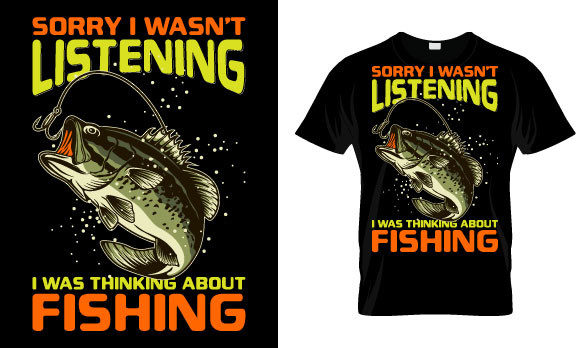
Sorry I Wasn't Listening Hunting T-Shirt Review
As an experienced embroidery designer and product reviewer, I always look for designs that not only stand out visually but also perform well in real-world stitching scenarios. The Sorry I Wasn't Listening Hunting T-shirt caught my attention with its bold typography and clever motivational quote. It’s the kind of design that speaks to a niche audience—those who enjoy the outdoors, hunting culture, or just want a bit of humor in their wardrobe. Let me walk you through how this design might translate into actual projects and what to consider before using it in your craft business or personal creations.
First Impressions: Mood and Visual Personality
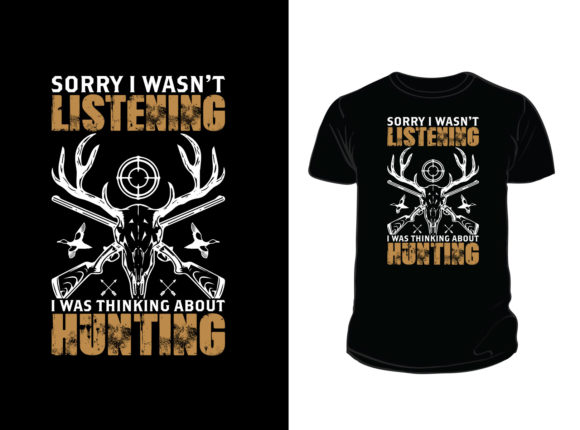
The Sorry I Wasn't Listening Hunting T-shirt has a strong visual identity right from the start. Its layout is clean and centered, which makes it easy to place on a garment. The text is stylized with trendy typography that leans toward a casual, rugged aesthetic—perfect for outdoor enthusiasts. The phrase itself plays on the idea of being so focused on something else (in this case, hunting) that you're tuning out everything else. It's witty, a little cheeky, and clearly targets a specific lifestyle or hobby.
What I like about the design is that it doesn’t overwhelm with graphics or illustrations. It uses simple shapes and lines, making it more versatile than some of the flashier designs I've seen. This simplicity helps it maintain clarity when stitched, especially at a medium size. It’s not overly detailed, which is a big plus for machine embroidery, as complex elements can lead to stitch distortion or fabric puckering if not handled carefully.
Theme and Audience Fit
This design feels like it naturally belongs on custom apparel aimed at hunters, outdoor lovers, or even people who appreciate the lighthearted side of getting lost in a passion. It could easily be reimagined as a patch for a hunting vest or a tote bag for carrying gear. As a graphic for digital embroidery files, it’s great for small shop products or Etsy listings where the theme needs to be clear and relatable.
Real-Life Use: How It Translates to Stitched Projects
Let’s say I’m preparing a custom embroidered sweatshirt for a local hunting outfitter. The Sorry I Wasn't Listening Hunting T-shirt design would work well here due to its strong contrast and readable font style. However, I’d want to test it on a scrap piece of fleece first to ensure that the stitch density holds up and that the thread colors pop against the background.
- Tote Bag Design: This is one of the best applications for the design. The flat surface allows for full expression of the typography and layout without the challenges of curved or stretchy surfaces. A canvas tote with this design could become a staple in any outdoor-themed boutique.
- Custom Apparel: On t-shirts, especially cotton blends, the design looks crisp and professional. For a commercial embroidery project, such as a line of branded shirts for a hunting lodge, this could add a touch of personality while still maintaining a level of professionalism.
- Baby Embroidery: While the tone is playful, I wouldn’t recommend this for baby items unless you’re targeting a very specific market. The wording might be too mature or misunderstood by younger audiences.
- Embroidered Patch: If converted into an applique design, the patch version could be used on jackets or backpacks. Just make sure to use high-quality satin stitch around the letters to give it a polished finish.
- Holiday Gifts: The design could fit into holiday gift packaging, perhaps as part of a personalized stocking or embroidered ornament. But again, the context matters. It works better in fall or winter collections rather than spring or summer themes.
Where to Use With Caution
While the Sorry I Wasn't Listening Hunting T-shirt is versatile, there are certain situations where it might not shine as brightly:
- Small Hoop Sizes: The design may have some larger areas of fill stitch, which could cause issues if you're working within tight hoop constraints. Always confirm the recommended hoop size before starting a project.
- Textured Fabrics: On materials like denim or flannel, the fine details in the typography might get lost. Consider simplifying the design or adjusting the stitch type to accommodate the texture.
- Thin or Stretchy Fabric: These fabrics can distort under dense stitching, especially in fill areas. You’ll need to choose the right stabilizer and possibly reduce stitch density slightly to prevent puckering.
- Dark Fabric Backgrounds: If you plan to embroider this on black or dark-colored garments, double-check the thread color options. Some versions might not offer enough contrast, making the design harder to see after stitching.
- Curved Surfaces Like Caps: The central placement of the design means it won’t wrap around a cap well. Unless the design is specifically formatted for curved embroidery, avoid using it on hats without careful consideration.
Design Integrity and Customer Reaction
In terms of visual appeal, the design is eye-catching and conversation-starting. Customers will likely find it amusing or relatable depending on their interests. However, since it’s a quote-based design, it’s important to consider the message and whether it aligns with your brand or the intended recipient’s tastes. Humor can be subjective, so testing the reaction among your target audience before mass production is wise.
Stitching clarity is another factor to evaluate. Because the design uses modern typography, some characters might have thinner strokes or intricate serifs. If those parts are too delicate, they could break during stitching or lose definition. Inspecting each letterform and considering how they’ll hold up in different thread weights is essential.
Practical Notes for Embroidery Designers and Crafters
If you're thinking of adding this to your portfolio or using it in your next embroidery project, here are some tips based on my experience:
- Test First: Before committing to a large batch, test the design on a sample of the fabric you plan to use. Especially if you're using it for handmade products or printable mockups, seeing how it looks post-stitching is crucial.
- Check Thread Color Contrast: Make sure the colors pop on the chosen fabric. Dark threads on dark fabric won’t do it justice. Try using lighter shades or metallic threads for better visibility.
- Review Stitch Density: Look at the running stitch and fill stitch areas. Adjust the density if necessary to prevent fabric distortion, particularly on stretchy or thin materials.
- Confirm Hoop Size: If the file isn’t already specifying a recommended hoop size, take the time to measure and determine the smallest viable hoop to save on material and time.
- Inspect Small Details: Even though the design is minimalist, tiny elements like punctuation or small letters can sometimes be overlooked in the file. Zoom in and ensure they’re included and properly defined.
- Test in Black and White: Sometimes color can hide flaws. Converting the design to grayscale can help you spot any issues with contrast or legibility.
- Compare Light and Dark Backgrounds: Not all thread combinations work equally well across fabric tones. Experiment with both to see how the design adapts.
- Use Proper Stabilizer: Whether you're creating a handmade product or a commercial embroidery item, using the correct stabilizer ensures the final result is clean and durable.
- Check Licensing Terms: Since this is a digital embroidery file, always verify the licensing agreement before selling finished products or digital assets. Some templates are for personal use only, which could limit your ability to use them in a craft business or on Etsy.
Project Suitability and Market Appeal
For Etsy sellers and small shop owners, this design could be a hit in categories like outdoor wear, novelty gifts, or seasonal merchandise. It adds character without being too loud, fitting well into a curated collection of design assets. That said, it’s not a one-size-fits-all solution.
When used correctly, the Sorry I Wasn't Listening Hunting T-shirt can enhance the product value and giftability of your offerings. Its unique blend of humor and motivation makes it memorable, increasing the chances of customer engagement and repeat sales. It also supports brand consistency if you're targeting a niche like hunting or outdoor lifestyles.
However, if you're aiming for something more universally appealing, like family-friendly personalized gifts or nursery decor, this might not be the ideal choice. It’s best suited for adult-oriented handmade shop items or custom apparel where the audience understands the reference.
Final Thoughts for Creative Entrepreneurs
Overall, the Sorry I Wasn't Listening Hunting T-shirt is a solid option for designers looking to add a fun yet meaningful design to their lineup. It performs well in most standard embroidery setups and brings a fresh twist to typography-based graphics. Just remember to adapt it to your specific project needs and test it thoroughly before going to print or stitch.
Whether you're a seasoned embroidery designer or a hobbyist trying out your first sweatshirt embroidery, this design offers a good balance between creativity and practicality. And if you're in the Print Templates category, offering it as a Graphics file set gives customers flexibility in how they apply it.
My advice? Keep it in your library of go-to designs, but don’t rush to use it everywhere. Let it speak to the right audience and project type. When it does, it can elevate your finished product with minimal effort and maximum impact.