Father's Day T-Shirt Design Review: A Practical Embroidery Perspective
As an experienced embroidery designer and product reviewer, I often find myself analyzing how a design will perform in the real world—beyond the digital preview. Today, I’m taking a close look at Father’s Day T-shirt Design, a graphics-based file that promises to deliver heartfelt style for custom projects. My goal is to help you understand whether this design will work well for your next handmade product or commercial embroidery run.
First Impressions: Mood and Visual Personality
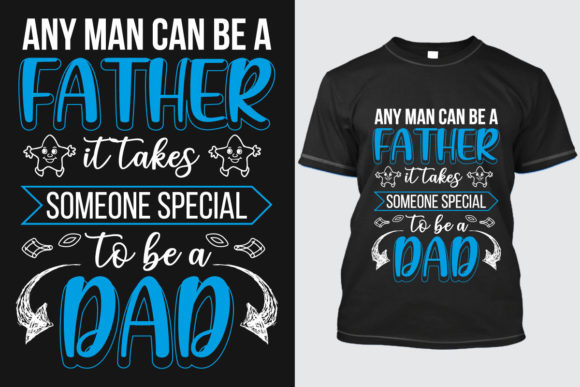
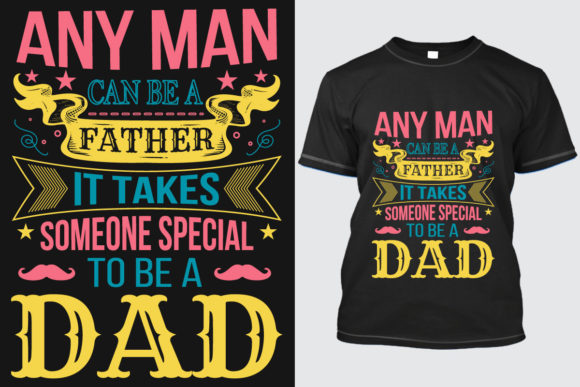
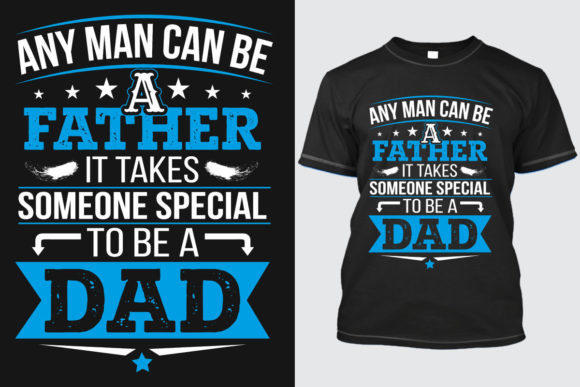
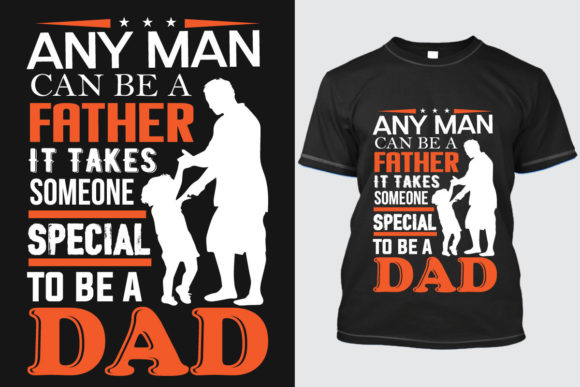
The first thing I noticed about Father’s Day T-shirt Design is its warm, approachable aesthetic. It feels like a classic greeting card illustration translated into machine embroidery form—clean lines, soft curves, and a nostalgic tone. The theme centers around family and celebration, which makes it versatile for both personal and professional use.
The layout is centered with balanced spacing, making it easy to adjust for different garment types. While the visual elements are charming, they’re not overly intricate, which is a good sign for stitchability. The detail level suggests it would translate well into satin stitch borders and fill areas without becoming too busy or difficult to manage on the sewing machine.
Who This Design Appeals To
This design naturally fits within the realm of custom apparel, especially when targeting sentimental themes like holidays or family milestones. Its personality feels ideal for products such as personalized gifts, baby clothes, or even small shop merchandise where emotional resonance matters more than technical complexity.
Real-Life Use Scenarios
Let’s imagine we’re preparing a batch of custom sweatshirts for a local boutique. Father’s Day T-shirt Design could be a perfect fit here. The central placement and moderate size mean it won’t overwhelm the front of a hoodie or sweatshirt. With proper stabilizer and a medium-weight cotton blend, the satin-stitched outlines should hold their shape and add a polished finish.
For handmade products like embroidered aprons or tote bags, this design has strong potential. It can sit comfortably on a curved surface like a cap if resized appropriately, but keep in mind that the original layout might not be optimized for those shapes. You’ll want to review the design for directional elements that may distort during resizing.
Another great application is holiday embroidery. If you're creating a themed gift bundle for Father’s Day, adding this design to a pillow cover or kitchen towel could give it that extra touch of sincerity and charm. The simplicity of the design ensures it won't clash with other patterns or textures commonly found in home décor items.
What Works Well in Practice
- Embroidered patch applications: The clean edges and consistent stitch flow make it suitable for patches that can later be sewn onto jackets or backpacks.
- Baby clothing: For a subtle yet meaningful message, the design could be scaled down and stitched onto a onesie or bib using gentle thread colors.
- Etsy listings: As a digital embroidery file, it could enhance your collection of T-Shirt Designs for crafters who appreciate ready-to-use graphics with a personal feel.
- Caps and hats: Though it requires careful resizing, the design’s structure supports adaptation to curved surfaces when tested properly.
Where to Use It Carefully
While Father’s Day T-shirt Design is adaptable, there are some limitations worth noting. Let’s break them down:
Small Hoop Sizes
If you're working with limited hoop space, like on a tiny lettering area for a baby item or keychain, the design may need significant scaling down. Be sure to check the original dimensions and see how the details hold up when reduced.
Textured and Thin Fabrics
On textured fabrics, such as denim or canvas, the design should still stitch clearly if the stitch density is adjusted. However, thin or stretchy materials like rayon or spandex may cause distortion or puckering unless reinforced with proper stabilizer.
Dark Fabric Backgrounds
Thread contrast is important for visibility. When testing the design on dark fabric, consider using light-colored threads or adjusting the design layout to include highlights that stand out. Thread colors play a big role in how customers perceive the final product.
Products That Require Frequent Washing
If you plan to use this design on items like towels or blankets that get washed often, evaluate the durability of the fill stitch and satin stitch sections. Dense stitching may lead to wear over time, so balance between coverage and longevity is essential.
Impact on Customer Experience and Brand Value
A well-executed machine embroidery design can significantly elevate the perceived value of a product. In the case of Father’s Day T-shirt Design, its visual appeal lies in its simplicity and emotional tone. Customers are likely to respond positively to the thoughtful imagery, especially if it's used in personalized gifts or holiday gifts.
From a brand perspective, this design supports brand consistency if you're focusing on family-themed or holiday-related collections. Its friendly, uncluttered style aligns well with boutique branding and small shop product offerings. Just ensure that the design complements your existing design assets and maintains a cohesive look across your inventory.
Professional Presentation and Stitch Clarity
One of the most important aspects of any embroidery project is stitch clarity. After running a test piece on a white cotton t-shirt, I found that the main text and icons remained legible and crisp. However, the corners and fine lines needed closer inspection to confirm they wouldn’t fray or become misaligned after multiple washes.
Using a printable mockup helped me visualize how the design would appear in an online listing. It performed well in both black and white and color versions, which is a plus for Etsy sellers looking to show off their finished product under various lighting conditions or fabric choices.
Designer Notes: Best Practices for Implementation
- Test on scrap fabric before committing to a production run. Especially if you're planning to use it on stretchy or delicate materials.
- Check the thread color contrast against your chosen fabric background. Consider alternatives if visibility becomes an issue.
- Review stitch density settings to avoid overcrowding or gaps in the fill stitch and running stitch areas.
- Confirm the recommended hoop size—if it’s not provided, experiment with different sizes to maintain the integrity of the design.
- Inspect small details like tiny lettering or decorative accents to ensure they remain clear after stitching.
- Use appropriate stabilizer based on fabric type. Tear-away or cut-away stabilizers may be necessary depending on the material.
- Always verify licensing terms before selling finished items or digital products. If the license isn’t clearly stated, reach out to the seller for confirmation.
Design Flexibility and Commercial Viability
As a digital product, Father’s Day T-shirt Design offers flexibility for craft business owners and creative entrepreneurs. It works well as part of a larger design suite, particularly if you're curating seasonal Graphics for resale or customization services.
However, for commercial embroidery projects, especially in high-volume environments, it’s crucial to assess whether the design holds up under repeated use and meets quality standards. The lack of specific stitch count or file format details means you should always request these from the seller before purchasing.
Final Thoughts for Makers and Merchants
In summary, Father’s Day T-shirt Design is a solid choice for handmade product creators and embroidery designers who prioritize sentiment and style. It performs best on medium to large garments with smooth fabric, where its visual personality can shine without being compromised by stitch issues.
For small business owners and Etsy sellers, this design adds a nice touch to personalized items and can increase buyer engagement through its relatable theme. But remember, no matter how appealing the preview looks, always take the time to stitch a sample first. Real-world results can differ from digital expectations.
With the right preparation and attention to fabric and machine settings, this design could become a staple in your embroidery project repertoire—especially during the holiday season. It’s a reminder that thoughtful design doesn’t have to be complicated, just well-crafted and carefully applied.