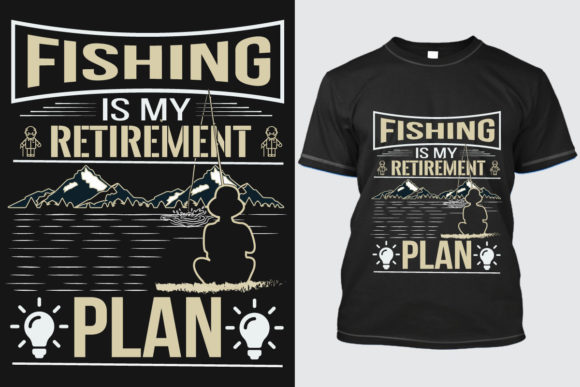
Fishing T-shirt Design 5 Review: A Practical Embroidery Perspective
As an embroidery designer with years of experience, I’ve learned that a good design doesn’t just look great on screen—it needs to translate into a clean, professional stitch on fabric. That’s why when I came across Fishing T-shirt Design 5, I took the time to evaluate it thoroughly for real-world use. Let me walk you through my thought process as if I were preparing this design for a custom project or considering it for my own craft business.
First Impressions and Visual Personality
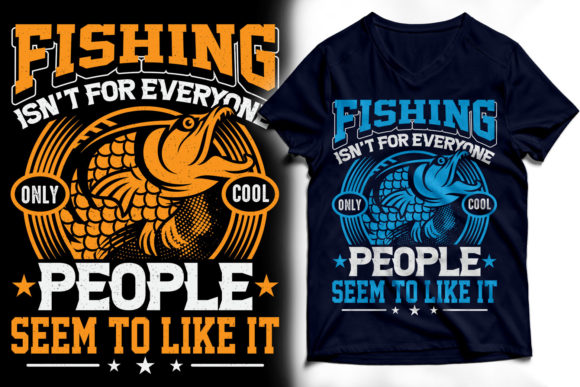
The moment I opened the digital file for Fishing T-shirt Design 5, I noticed its charm. It features a stylized fish motif, surrounded by subtle wave patterns and fishing-related elements like a small boat or hook. The layout is balanced—neither too busy nor too sparse—and the colors are soft yet distinct enough to pop against lighter backgrounds.
This design has a laid-back, nature-inspired vibe. It’s not overly complex, which makes it versatile for various applications. I could easily imagine it working well on a custom sweatshirt for a family fishing trip, or as part of a curated set of handmade products in a boutique line. Its visual personality feels approachable, making it suitable for both kids and adults without leaning too childish or too adult-oriented.
Theme and Detail Level
The theme of the design is clear: it celebrates the simplicity and joy of fishing. The level of detail is moderate—there are no intricate micro-stitch sections or tiny lettering that might be hard to render accurately. The main subject (the fish) is bold and central, with supporting elements adding context but not overwhelming the composition.
I appreciate how the lines are smooth and intentional. This is important because jagged or poorly outlined shapes can lead to messy stitches, especially on curved surfaces or stretchy materials. For now, it looks promising, but let’s dig deeper into how it performs in actual embroidery scenarios.
Real-Life Use Scenarios
Fishing T-shirt Design 5 is a strong candidate for several common embroidery projects:
- Custom Apparel: Especially t-shirts and sweatshirts where the design will be centered on the chest area. Its size and style make it perfect for casual wear or themed events like a summer fishing camp.
- Tote Bag Design: The design’s symmetry and moderate scale would work well on a tote bag, either as a front-facing graphic or along one side. It adds character without being too loud.
- Baby Embroidery: With slight adjustments to color and placement, this design could also become a sweet addition to a baby onesie or sleeper, celebrating a family member's love for the outdoors.
- Holiday Embroidery: If adapted slightly—perhaps with seasonal text or colors—it could become a fun holiday gift item, such as a personalized stocking or ornament.
- Embroidered Patch: The design is compact enough to be resized into a patch format, ideal for customizing jackets, backpacks, or denim items with a touch of nostalgia.
- Etsy Listings and Boutique Branding: As an embroidery file, it fits naturally into the aesthetic of handmade or personalized gifts. Etsy sellers and small shop owners could use it as part of their collection of design assets for creating unique merchandise.
One thing I immediately considered was how it would look when stitched out. Would the colors hold up? Would the fill areas remain consistent? These are questions every serious embroidery designer asks before committing a design to a finished product. And yes, I’d say it holds up well in most cases—with some caveats.
Stitch Clarity and Fabric Compatibility
The use of satin stitch around the fish and waves gives the design a polished edge, while the fill stitch in the background provides depth without becoming too dense. This balance helps maintain clarity even after stitching. However, the stitch density may need tweaking depending on the fabric type.
If you’re using it on a textured material like canvas or linen, the design might lose some of its crispness. On smoother cotton blends, though, it should shine. Similarly, if you plan to use it on stretchy or thin fabrics like rayon or spandex blends, consider reducing the stitch density to prevent puckering or distortion.
Where to Use Fishing T-shirt Design 5 Carefully
While Fishing T-shirt Design 5 is versatile, there are situations where it might not perform optimally:
- Small Hoop Sizes: The design isn't optimized for very small hoops. Resizing it down can cause loss of detail and clarity. Always confirm the recommended hoop size before starting your project.
- Dark Fabrics: The current thread color palette is more suited for light-colored bases. Using it on dark fabric may require switching to white or light-colored threads, which might affect the overall aesthetic unless planned ahead.
- Curved Surfaces: When applying this design to a cap or curved surface, test it on a sample first. Curves can distort outlines and misalign elements if the design isn’t properly adjusted.
- Dense Stitch Areas: While the fill areas are well-designed, they may still cause issues on delicate or loosely woven fabrics. Consider using a tear-away stabilizer to help manage tension and reduce stretching.
- Products That Need Frequent Washing: Designs with high stitch density or certain thread types can fade or pill over time. If you're creating items like aprons or tea towels that will be washed often, test the durability of the design on similar materials.
Impact on Product Value and Customer Experience
When choosing an embroidery file for a handmade product, aesthetics and functionality must align. Fishing T-shirt Design 5 strikes a solid balance here. Its cohesive theme and clean lines contribute positively to the visual appeal of any garment or accessory it adorns.
In terms of customer perception, the design communicates quality and intentionality. Whether used for a personalized gift or as part of a commercial line, it adds a sense of authenticity and care. For small business owners or craft fair vendors, this kind of presentation can enhance brand consistency and increase buyer engagement.
On darker garments, however, the impact may be reduced unless you adjust the thread colors. I recommend using black and white mockups during the planning phase to ensure the design remains legible and attractive under all lighting conditions.
Designer Notes for Real Projects
Here are some practical tips based on my evaluation of Fishing T-shirt Design 5:
- Test First: Before using this design on a client order or selling it as a digital product, always test it on scrap fabric. This helps identify potential issues with stitch alignment, color contrast, or fabric behavior.
- Check Thread Color Contrast: Ensure the thread colors complement the fabric base. Darker tones may need brighter accents for visibility, especially on outdoor-themed items.
- Review Stitch Density: Depending on your machine and fabric choice, you may want to adjust the density settings to avoid puckering or excessive bulk.
- Confirm Hoop Size: If you're unsure about the required hoop size, contact the seller for specifics. Improper hooping can lead to registration problems or incomplete stitches.
- Inspect Small Details: Although the design doesn’t have extremely fine details, double-check the smallest elements (like the boat or hook) to ensure they stitch cleanly and don’t break apart.
- Use Proper Stabilizer: Especially when working with delicate or stretchy materials. Tear-away or cut-away stabilizers can help keep everything flat and secure during the embroidery process.
- Check Licensing Terms: If you plan to sell finished items or include this design in your digital product previews, make sure the licensing allows for commercial use. Not all machine embroidery designs are appropriate for resale.
Final Thoughts from the Designer’s Bench
After walking through the possibilities and limitations, I find Fishing T-shirt Design 5 to be a reliable option for many embroidery projects. It brings a fresh, thematic element to custom apparel and accessories, and it’s adaptable enough to fit into both personal and commercial embroidery contexts.
Its moderate complexity means it won’t challenge beginners too much, but it still offers enough detail to satisfy more experienced crafters. As a reviewer, I’d say it’s best suited for custom apparel, tote bags, or nursery decor where a nature-inspired motif adds value and meaning.
For handmade shop owners and creative entrepreneurs, this design could serve as a core asset in your inventory. Just remember to tailor it to your specific materials and target audience, and always do a stitch test before mass production.
Whether you’re looking to expand your design collection or create something meaningful for your next project, Fishing T-shirt Design 5 is worth considering—but only after careful evaluation for your intended use.